Blog
Canada’s Retaliatory Tariffs Take Effect as U.S. Trade Negotiations Remain Stalled

Canada’s counter-tariffs on approximately $20 billion worth of U.S. goods entered into force just after midnight on Tuesday, marking a significant escalation in the ongoing trade dispute between the two countries. The move follows the collapse of bilateral negotiations last month and comes as Ottawa intensifies economic pressure on its largest trading partner.
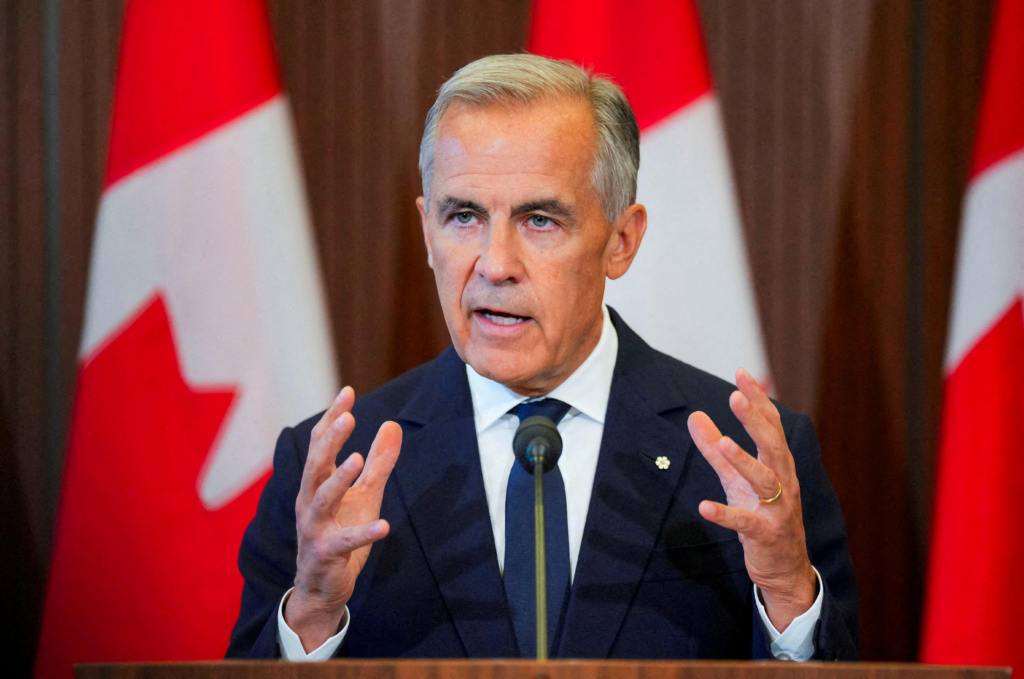
The new duties, ranging from 15% to 50%, apply to a range of American products including steel, furniture, clothing and electronics. Officials on both sides have traded blame for the failure of a deal that had appeared close to agreement as recently as two weeks earlier. The dispute, now in its 18th month, has raised broader questions about the future of the U.S.-Mexico-Canada Agreement (USMCA), which is subject to annual reviews after President Donald Trump declined to extend it for another decade.
“What we are worried about is an escalatory spiral,” said Michael Harvey, executive director of the Canadian Agri-Food Trade Alliance and a member of Prime Minister Mark Carney’s advisory committee on bilateral U.S. economic relations. “But at the same time, we totally understand that the prime minister needs to find areas of leverage.”
The Canadian measures respond to U.S. tariffs imposed last month that targeted Canadian exports of wine, furniture, dairy products, cement, clothing, fishing rods and hockey equipment—covering roughly $20 billion, or about 5% of Canada’s total exports to the United States. According to government data from both countries, Canada has directed nearly 68% of its overall exports to the U.S. market this year, with approximately 80% of those shipments previously moving duty-free under USMCA provisions. The latest U.S. tariffs, enacted under a Depression-era statute, do not permit Canada to claim those exemptions.
The widening conflict has generated uncertainty for investment and economic growth in Canada, whose economy is roughly one-thirteenth the size of its southern neighbor. Political analysts note that while polls currently show broad domestic support for Carney’s approach, that backing could erode in the coming months as the costs of the trade dispute become more apparent. A recent Reuters/Ipsos poll found that only 20% of Americans approved of Trump’s tariffs on Canadian goods.
Carney stated last week that his government remained prepared to conclude a trade agreement that would benefit both nations. Trump, for his part, has threatened to raise tariffs on all Canadian cars, trucks and automotive parts to 50% beginning January 1 and signed an executive order renaming Lake Ontario as Lake America.
A Canadian government source indicated that no talks are currently underway between ministers or officials from the two sides. Harvey urged restraint, saying: “The Canadian government needs to keep channels open to the United States and not go overboard in terms of rhetoric and reacting to the rhetoric from the American side, while waiting for the American decision-making process to come back to economics.”

-

 Blog7 months ago
RISKY 😲: Nation’s No. 1 QB Commits to Oregon Ducks…Read More…
-

 Blog7 months ago
RISKY 😲: Nation’s No. 1 QB Commits to Arizona State Sun Devils…Read More…
-

 Blog3 months ago
LEYTON ORIENT AGREE DEAL FOR TEENAGE WINGER
-

 Blog7 months ago
RISKY 😲: Nation’s No. 1 QB Commits to Georgia bulldogs…Read More…
-

 Blog7 months ago
RISKY 😲: Nation’s No. 1 QB Commits to Michigan State University…Read More…
-

 Blog7 months ago
RISKY 😲: Nation’s No. 1 QB Commits to Ohio State Buckeyes…Read More…
-

 Blog7 months ago
RISKY 😲: Nation’s No. 1 QB Commits to Ole Miss…Read More…
-

 Blog7 months ago
RISKY 😲: Nation’s No. 1 QB Commits to Tennessee Vols…Read More…
Pingback: Lindsay Clancy’s Lawyer Issues Public Plea to President Trump for a Pardon After Mistrial – continentview