Atlanta Brave
For MLB and the Atlanta Braves, the Introduction of Robot Umpires Comes Nearly Three Decades Too Late, Raising Questions About Technology, Accuracy, and the Future of Baseball Officiating….Read More……

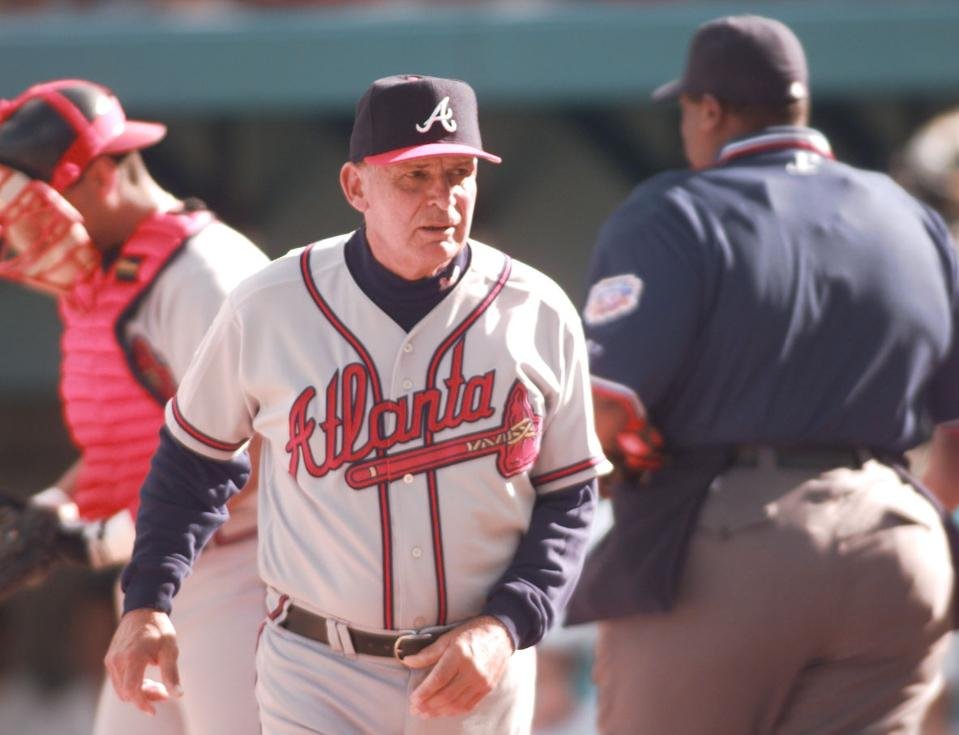
Major League Baseball (MLB) is no stranger to innovation, but the recent introduction of robot umpires has sparked both excitement and debate among players, fans, and analysts alike. For teams like the Atlanta Braves, known for their consistent performance and commitment to precision, the timing of this technological shift feels almost ironic—arriving nearly three decades after the idea was first seriously proposed. The integration of automated strike zones promises accuracy and consistency, yet it also raises important questions about the pace of change in one of America’s most traditional sports.
Robot umpires, also referred to as automated ball-strike systems, use advanced cameras, radar, and machine learning algorithms to determine balls and strikes with unprecedented precision. For decades, human umpires were the final authority on the field, and their judgment, while respected, has been subject to criticism due to inevitable human error. Studies suggest that even elite MLB umpires make mistakes on approximately 8% of called pitches—a small percentage but one with potentially game-changing consequences.
Atlanta Braves players and coaches have long expressed frustration over inconsistent strike zones, particularly in high-stakes games. These inconsistencies can affect a pitcher’s confidence, alter batter strategies, and influence the outcome of critical matchups. The Braves, with their focus on analytics and performance optimization, see automated strike zones as a tool that could level the playing field, ensuring fairness and predictability for both pitchers and hitters.
Yet, the timing of the introduction feels overdue. Baseball analysts note that technology capable of accurately calling balls and strikes has existed for decades. High-speed cameras, radar systems, and computational algorithms capable of processing pitch data have been available since the early 1990s. “From a technological standpoint, we’ve been able to do this for nearly 30 years,” said Dr. Alan Whitmore, a sports technology analyst. “The question isn’t whether it can be done—it’s why it took this long for the league to adopt it formally.”
Resistance from traditionalists played a significant role in the delay. Baseball, often described as a sport steeped in history and ritual, has historically resisted radical changes that threaten the human element of the game. Fans cherish the drama of close calls and the debates that follow, while umpires themselves have been protective of their authority. These cultural factors contributed to the lag in adopting automated officiating, even as other professional sports explored technological assistance years earlier.
The implementation of robot umpires also raises questions about the sport’s future. Will automated strike zones fundamentally change how pitchers approach hitters? Will batter strategies adapt more quickly? And perhaps most importantly, will fans embrace a system that removes a human element they have long associated with the game’s drama? MLB officials argue that the benefits—accuracy, fairness, and reduced controversy—outweigh the potential drawbacks, but only time will reveal how teams and audiences respond.
For the Atlanta Braves, the impact is immediate and tangible. Pitchers like Spencer Strider and Michael Soroka, who rely heavily on precision and confidence, stand to benefit from the consistency of automated calls. Hitters such as Austin Riley and Ronald Acuña Jr. may need to adjust their approach slightly, but they also gain a clearer understanding of the strike zone, allowing for more strategic at-bats. Coaches and analysts have begun to study data from early games with robot umpires, looking for patterns and trends that could influence training and game planning.
Critics, however, argue that the human element is essential to the soul of baseball. Close calls, debates over strike zones, and the occasional umpire error have long been part of the narrative that makes the sport compelling. Removing this element may increase accuracy, but it risks diminishing the spontaneity and drama that define America’s pastime.
In conclusion, while the introduction of robot umpires is a technological leap forward for MLB and teams like the Atlanta Braves, the move comes nearly three decades later than it could have. The change promises precision, fairness, and strategic clarity, but it also challenges the tradition and emotional fabric of the game. As baseball navigates this new era, fans, players, and analysts will be watching closely to see whether automation enhances the sport or fundamentally alters the essence of the game.
For the Braves and the league at large, the question remains: is this innovation arriving just in time—or is it long overdue?












-

 Alabama crimson6 months ago
Controversy Erupts: Four Referees Suspended After Alabama–Vanderbilt Game Amid Officiating Scandal…Read More…
-

 Edmonton Oilers7 months ago
Connor McDavid and Wife Lauren Kyle Welcome Twins and Reveal Their Names – Fans Excited About the Growing McDavid Family!….Read More….
-
 West Virginia3 months ago
**NO.1 Player Commits To West Virginia Football**
-

 Imagine Dragon 🐉5 months ago
**Imagine Dragons and Crew Set to Embark on Exciting World Tour: Dates Revealed**
-

 Kentucky Wildcat3 months ago
**Nation’s Top-Ranked Player Commits to Kentucky Basketball**
-

 Arkansas Razorbacks4 months ago
**Nation’s Top-Ranked Player Commits to Arkansas Razorbacks Basketball**
-

 Arkansas Razorbacks6 months ago
Back in Charge: Arkansas Razorbacks Officially Hire Bobby Petrino as Head Coach, Marking a Dramatic Return and a Bold New Era for the Program….Read More……
-

 BYU Football4 months ago
**Nation’s Top-Ranked Player Commits to BYU Football**